Select this store if you are based in the EU, or another country not covered by the other stores.
Orders are dispatched from the VIRPIL EU HO based in Lithuania.
Select this store if you are based in the EU, or another country not covered by the other stores.
Orders are dispatched from the VIRPIL EU HO based in Lithuania.
Select this store if you are based in the UK.
Orders are dispatched from the VIRPIL UK distribution warehouse based in the United Kingdom.
Select this store if you are based in the US, Canada or Mexico.
Orders are dispatched from the VIRPIL US distribution warchouse based in Florida, United States.
volutpat odio facilisis mauris sit amet massa vitae tortor condimentum lacinia quis
volutpat odio facilisis mauris sit amet massa vitae tortor condimentum lacinia quis
Select this store if you are based in the EU, or another country not covered by the other stores.
Orders are dispatched from the VIRPIL EU HO based in Lithuania.
Select this store if you are based in the UK.
Orders are dispatched from the VIRPIL UK distribution warehouse based in the United Kingdom.
Select this store if you are based in the US, Canada or Mexico.
Orders are dispatched from the VIRPIL US distribution warchouse based in Florida, United States.
volutpat odio facilisis mauris sit amet massa vitae tortor condimentum lacinia quis
volutpat odio facilisis mauris sit amet massa vitae tortor condimentum lacinia quis
The 1990s saw the rise of the animal celebrity. (dolphin), Lassie (collie), and later Keiko (the orca from Free Willy ) became global icons. These animals weren’t just props; they were stars. Popular media began to treat them as actors, with trainers, contracts, and fan clubs. This anthropomorphism sold tickets, but it also set unrealistic expectations. Audiences believed Keiko was happy in a tank because the movie soundtrack said so.
Documentaries and wildlife shows have long been a cornerstone of animal entertainment content. Programs like "Planet Earth," "Blue Planet," and "The Lion King" have mesmerized audiences with their stunning visuals, informative narratives, and insightful portrayals of animal behavior. These shows often feature renowned naturalists and conservationists, such as Sir David Attenborough, who have become synonymous with wildlife documentary filmmaking. www animal xxx video com
Content featuring animals in clothing or human-like settings is highly popular but raises concerns about normalizing exotic pet ownership and masking animal stress [17, 23]. 2. Traditional Entertainment & Tourism The 1990s saw the rise of the animal celebrity
Animal entertainment content and popular media are not going away. If anything, the demand is accelerating. We love animals because they remind us of our own wildness, our vulnerability, and our capacity for joy. Popular media began to treat them as actors,
The Furry Screen: How Animal Content is Dominating Modern Media
However, not all animal entertainment is created equal. The exotic pet trade, animal circuses, and certain types of wildlife tourism have raised concerns about animal welfare and conservation.
’s nature specials have shifted from purely educational to "edutainment," using dramatic narrative arcs and cinematic scores to engage viewers in wildlife conservation. ⚖️ The Ethics of Entertainment
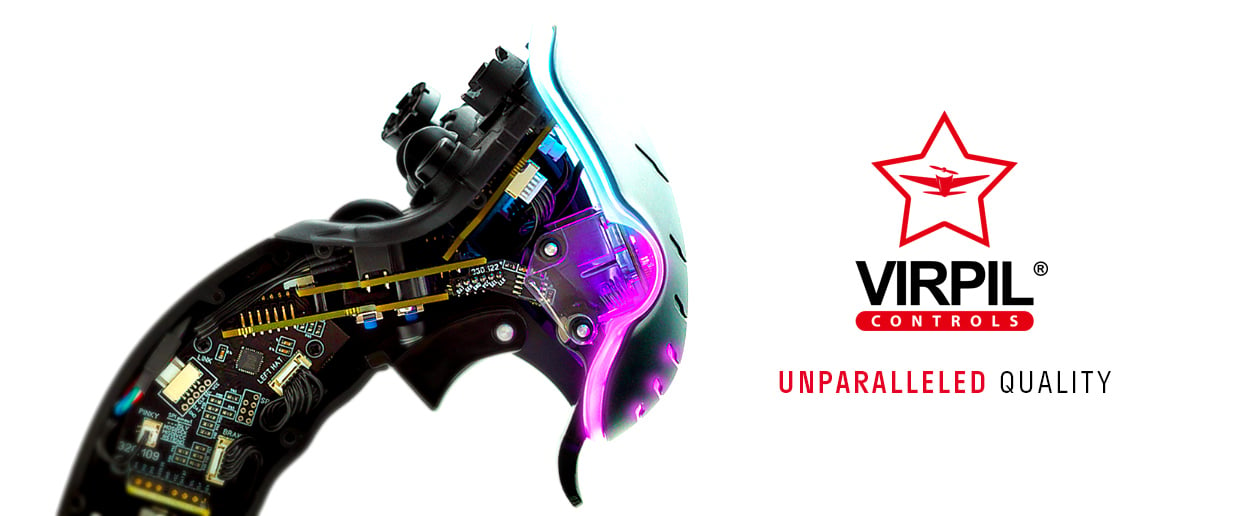
FLIGHT CONTROLS FOR VIRTUAL PILOTS. BY VIRTUAL PILOTS.
VIRPIL Controls is a project created by passionate flight-sim enthusiasts looking to revolutionise the sim controller market. Since 2016 we have worked tirelessly to bring highly versatile, high precision, exciting controllers to the market.
With market leading customer service, and new manufacturing facilities within the European Union - we're breaking the mould with our unique approach.
VIRPIL Controls have secured their position as a top choice for sim and professional pilots alike around the world!
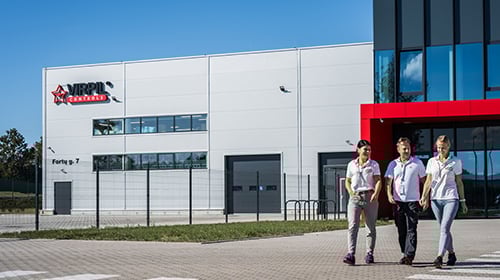






VIRPIL Controls is the first choice for advanced flight simulator equipment! Manufactured in our EU facility, our products demonstrate unparalleled quality and incorporate our knowledge as flight simulator experts.
With our secure payment system, multiple reliable shipping options, and unbeatable customer support, you can feel confident in building your dream simpit with VIRPIL Controls.