
 Italiano
 Français
 Deutsch
 Español
 Nederlands
 Svenska
 Polski
 sparkling water
 Water in Glass
 Still water
 Canned Water
 Broth
Broth Milk
Milk Coffee
 Sugar and Sweeteners
 Seasonings
 Crackers and Slices
 Honey
Honey Bread and Breading
 Butter
 Digestives
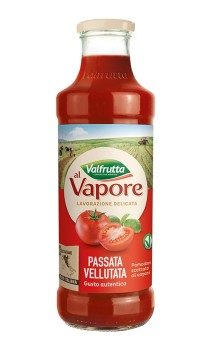 Tomato and Sauces
 Fruits and vegetables
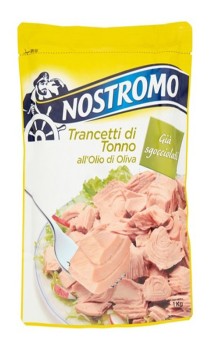 Meat and fish
 Sauces
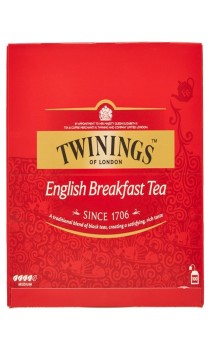 Infusions
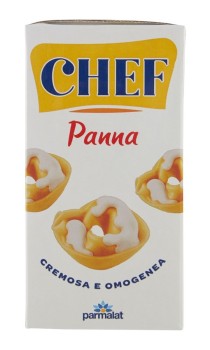 Cream
Cream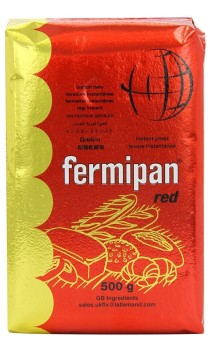 Yeasts and Powders
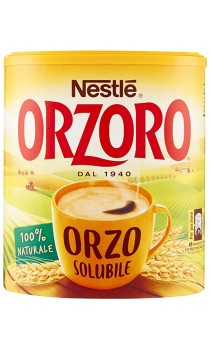 Barley and Ginseng
 Carbonated drinks
 Juices
 You
You Coca Cola
 Energy Drink
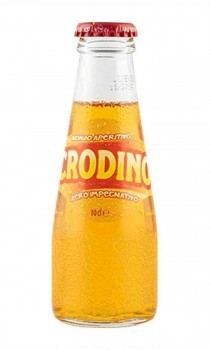 Non-alcoholic aperitifs
 Schweppes
 drinks Supplements
 Other Drinks
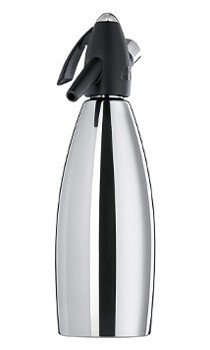 Other Drinks
 Blonde beer
 Red beer
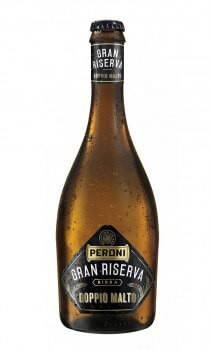 Double malt beer
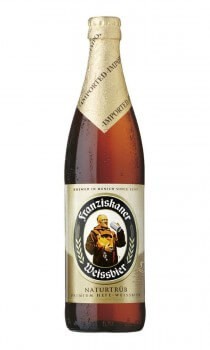 Weiss beer
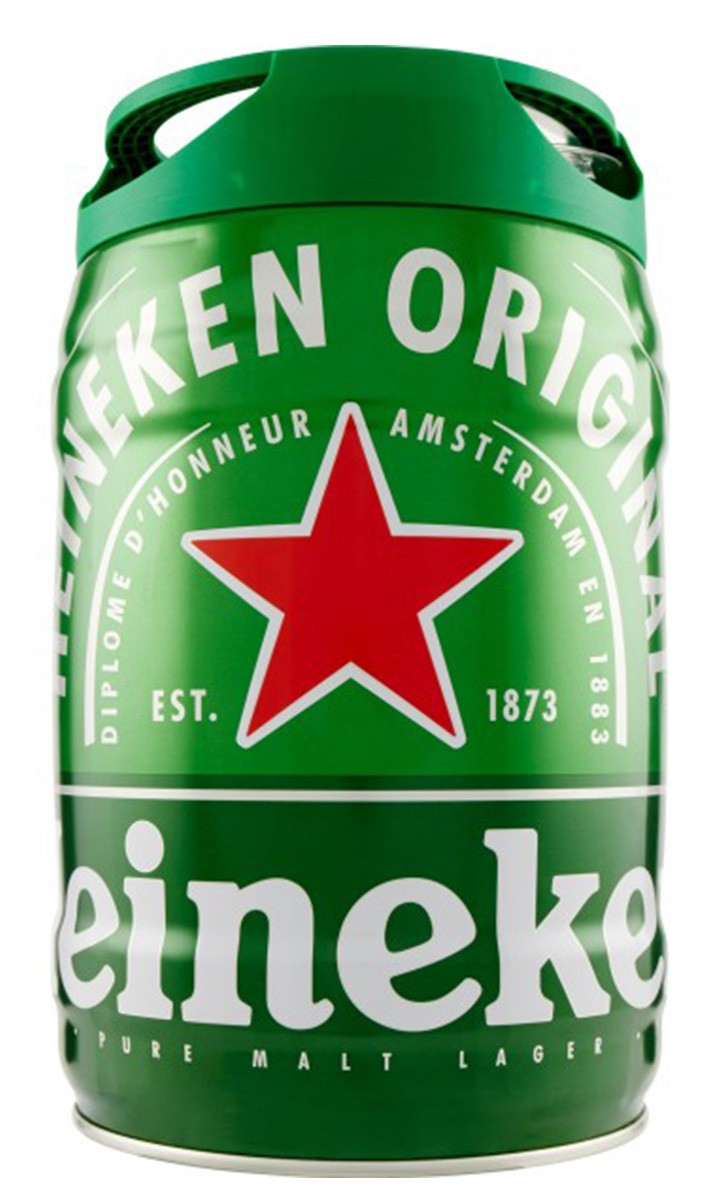 Beer kegs
 Raw Beer
 Gluten Free Beer
 Non alcoholic beer
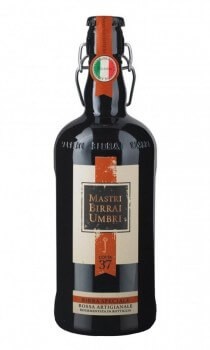 Craft beer
 Unfiltered Beer
 Cereal bars
 Cereals and Flakes
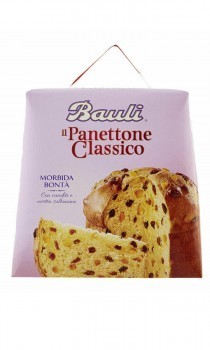 Panettoni and Pandori
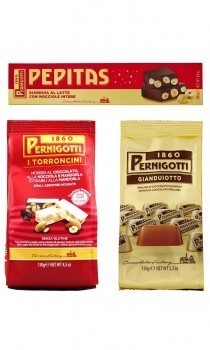 Torroni e Dolci Natalizi
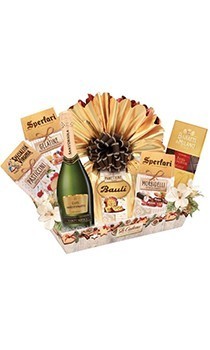 Christmas baskets
 Savoury snacks
 Kinder Ferrero
 Jordan Almonds
 Sweets and Chocolates
 Jams
Jams Spreadable Creams
 Brioches
 Prepared For Dessert
 Topping and Syrups
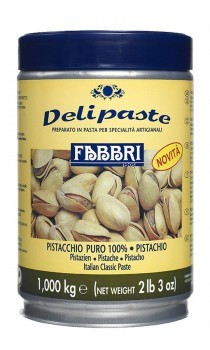 Preparation Ice Cream
 candy chewing gum
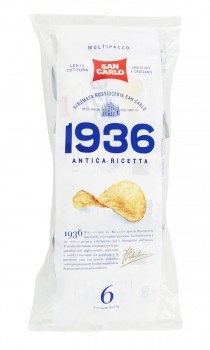 Chips
Chips Cookies
 Liqueurs
 Liqueurs for Cocktails
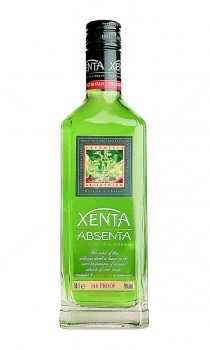 Special Liqueurs
 Aperitif Liqueurs
 Cognac
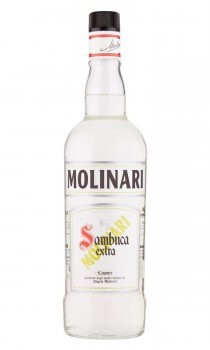 Sambuca
 Tequila
 Gin
Gin Rum
Rum Brandy
 Vodka
Vodka Other Liqueurs
 Grappa
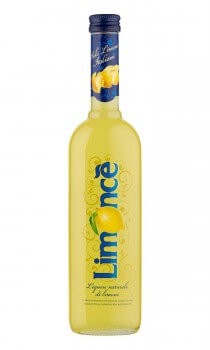 limoncello
 Whiskey
 Magnum Bottles
 Gift Box
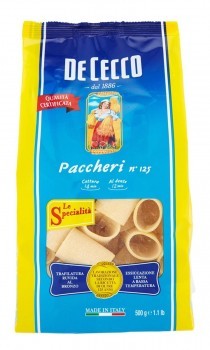 Pasta
Pasta Flour
Flour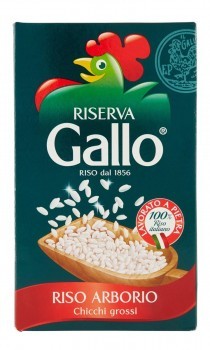 Rice
Rice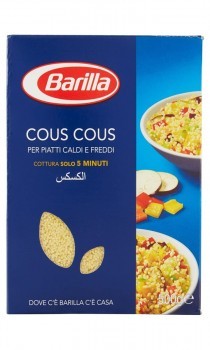 Cous cous
 Gluten Free Pasta
 Pasta of Gragnano
 Tortellini and Ravioli
 Wholemeal Pasta
 Fresh pasta
 Plastic
 Tools
Tools Spray
Spray Paper
Paper Glass
Glass Aluminium
 Products for Animals
 Nitrile Gloves
 Cooking utensils
 Detergents
 Crockery
 Personal hygiene
 Air Freshener
 Disinfectants
 Cheeses
 Cured meat
 Red wines
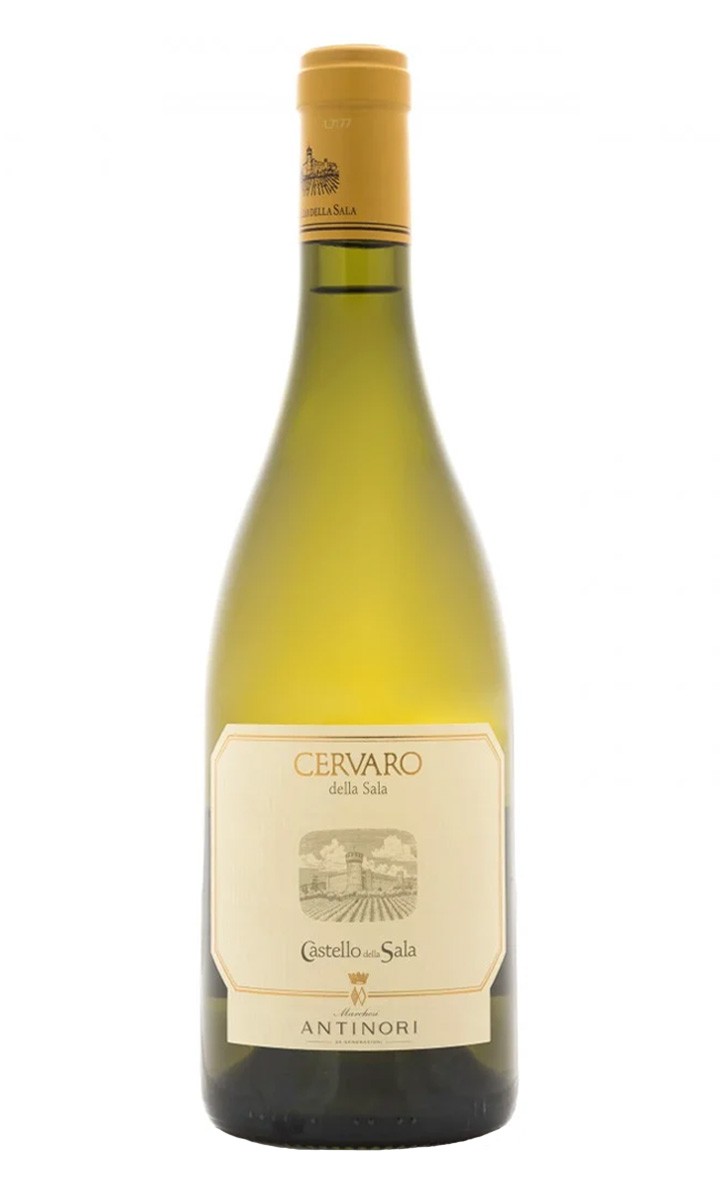 White wines
 Organic wines
 Fortified wines
 Champagne
 Sparkling wines
 Prosecco
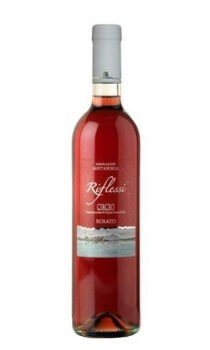 Rosé wines
 Franciacorta
There are no more items in your cart
Uncle Shom Part 1 💫
: The protagonist is usually forced to make a "big decision" regarding a moral taboo. Episodic Cliffhangers
Every neighborhood has one. That one house you avoid after dusk. That one relative whose name is spoken in hushed tones at family gatherings. For the children of the old Kampong Baharu, that figure was Uncle Shom. Uncle Shom Part 1
"You’re late," he said, though he was smiling. "The rain held you up?" : The protagonist is usually forced to make
That night the village hummed with a new energy. The arrival of someone from the far-off city and a photograph that matched the torn one spread curiosity like a scent. Old men at the tea stall paused in their card games. The schoolteacher wiped her hands and leaned out of her doorway. Even the mango trees seemed to rustle differently, as if a new chapter had blown in on the wind. That one relative whose name is spoken in
Uncle Shom sat by his window and wrote. He wrote about the compass and the watch and the names that drifted through his life like paper boats. He wrote the small truths he had learned: that not every question had an answer, that some repairs were only to make things bearable for a little longer, that memory was a fabric stitched from acts of attention. When he was finished, he slid the notebook back into the cedar chest and locked it with a key he had kept since he was young and thought keys could guard futures.
Part 1 opens not in a fantasy realm, but in the mundane corridors of a suburban existence. The brilliance of the narrative lies in the "liminal spaces"—those quiet, empty hallways and late-night convenience stores that feel slightly "off." It is here that we are first introduced to the protagonist, a weary traveler of life whose path is about to intersect with the titular character. Who is Uncle Shom?
As a cultural icon, Uncle Shom could serve as a tool for educating younger generations about cultural heritage, values, and history.