Exploring the intersection of materials, chemistry, and design.
The sheer volume of “Sinhala Wal Katha 2021” content still lingers on obscure file-sharing sites, personal hard drives, and archived Telegram channels. It paved the way for more sophisticated adult Sinhala content — including audio erotica (Wal Katha read aloud on YouTube before being removed) and even paid subscription models on platforms like Patreon, though those remain niche.
Sinhala Wal Katha, which translates to "Sinhala Talk" or "Conversation in Sinhala," is a significant initiative aimed at promoting the use of the Sinhala language in various aspects of Sri Lankan life. The year 2021 marked a crucial period for this movement, with several developments and events taking place to encourage the use of Sinhala. This report provides an overview of the key highlights and achievements of Sinhala Wal Katha in 2021.
The genre's growth in 2021 was heavily tied to the expansion of digital users in Sri Lanka, which reached (a 7.9% increase from 2020).
: This platform became a primary hub for content due to its anonymity and ease of file sharing. Specialized channels like @walkathaaa provide centralized access to thousands of stories.
During 2021, the consumption and creation of this content were primarily driven by online communities and social media platforms. Key characteristics included: Digital Distribution : Collections were widely shared as on document-sharing sites like and promoted via social media platforms such as Facebook. Thematic Focus
: Authors often engaged with their audience, tailoring plots based on community feedback . Educational and Literacy Perspectives
No upcoming events scheduled.
Principal Investigator, Professor of Chemistry
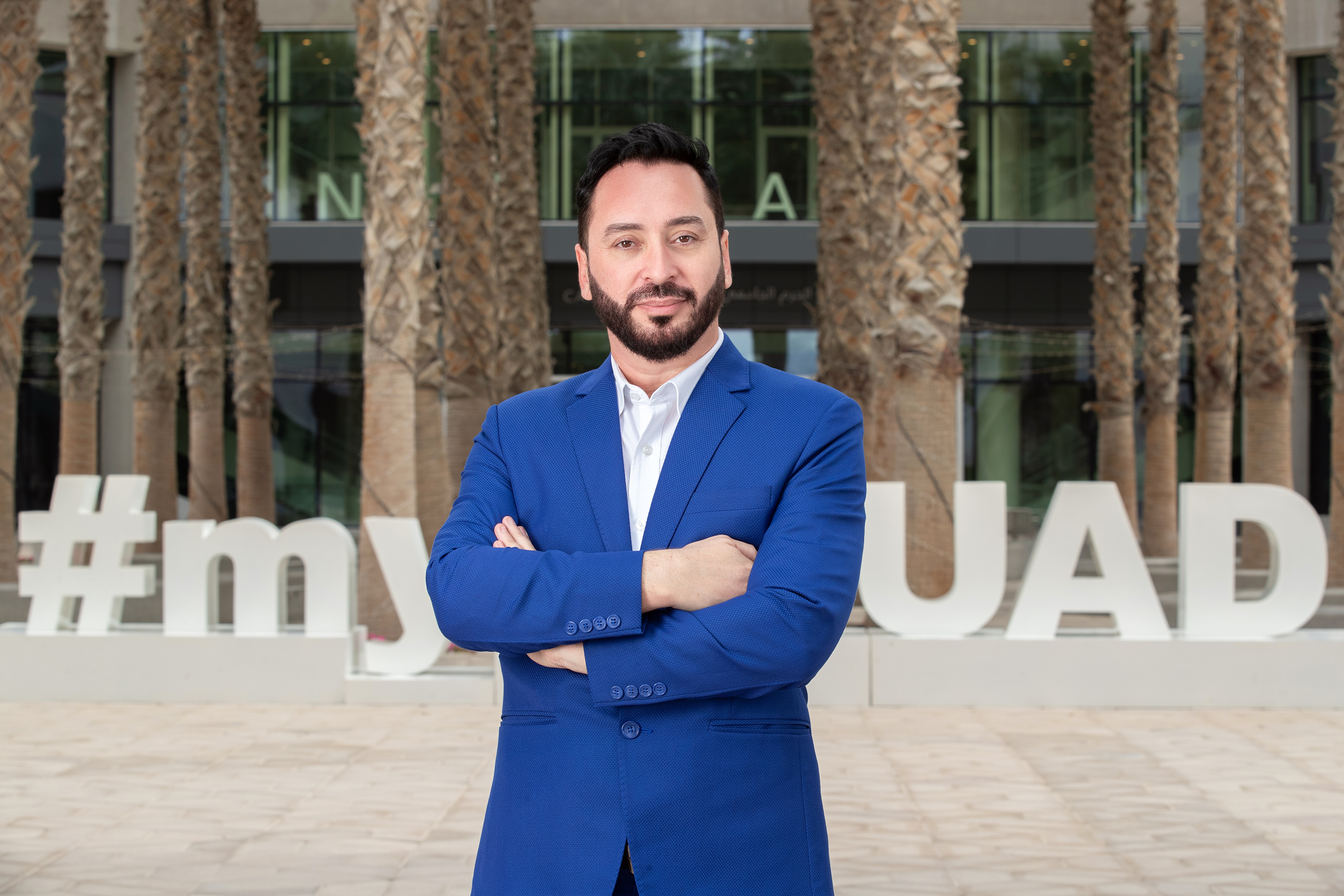
Panče Naumov leads the Smart Materials Lab and the Center for Smart Engineering Materials at NYUAD. His group is internationally recognized for pioneering crystal adaptronics and advancing adaptive molecular solids, with applications in sensing, robotics, optics, and energy systems.
Meet the TeamThe sheer volume of “Sinhala Wal Katha 2021” content still lingers on obscure file-sharing sites, personal hard drives, and archived Telegram channels. It paved the way for more sophisticated adult Sinhala content — including audio erotica (Wal Katha read aloud on YouTube before being removed) and even paid subscription models on platforms like Patreon, though those remain niche.
Sinhala Wal Katha, which translates to "Sinhala Talk" or "Conversation in Sinhala," is a significant initiative aimed at promoting the use of the Sinhala language in various aspects of Sri Lankan life. The year 2021 marked a crucial period for this movement, with several developments and events taking place to encourage the use of Sinhala. This report provides an overview of the key highlights and achievements of Sinhala Wal Katha in 2021. sinhala wal katha 2021
The genre's growth in 2021 was heavily tied to the expansion of digital users in Sri Lanka, which reached (a 7.9% increase from 2020). The sheer volume of “Sinhala Wal Katha 2021”
: This platform became a primary hub for content due to its anonymity and ease of file sharing. Specialized channels like @walkathaaa provide centralized access to thousands of stories. The year 2021 marked a crucial period for
During 2021, the consumption and creation of this content were primarily driven by online communities and social media platforms. Key characteristics included: Digital Distribution : Collections were widely shared as on document-sharing sites like and promoted via social media platforms such as Facebook. Thematic Focus
: Authors often engaged with their audience, tailoring plots based on community feedback . Educational and Literacy Perspectives
We are proud that the Smart Materials Lab is the leading team in impactful chemistry research in the United Arab Emirates, with research output that, according to the Nature Index, accounts for 40‒60% of the total chemistry publications within the country, both in fractional count and weighed fractional count. The past and current research projects in the Smart Materials Lab have been sponsored by Abu Dhabi National Oil Company (ADNOC), Abu Dhabi Education Council (ADEC), Human Science Frontier Program Organization (HFSPO), and the UAE National Research Foundation (NRF), in addition to generous financial support from NYUAD and the NYU Abu Dhabi Institute. The members of the Smart Materials Lab work closely with NYUAD's Center for Smart Engineering Materials (CSEM).